
Call Now · (480) 717-9018
Serving Gilbert, Mesa & Chandler  |  ★ 4.9 Google Rating · 139 Reviews  |  (480) 717-9018

A Seasonal Guide to Pool Heater Repair in Gilbert AZ

Send us a message

Home > Blog > Pool Heater Repair Guide
Pool Heater Repair Guide

A Seasonal Guide to Pool Heater Repair in Gilbert AZ

Changelog: Updated for pre-season fall diagnostics, gas ignition safety checks, heat exchanger scale prevention, and freeze protection protocols in Gilbert, AZ.
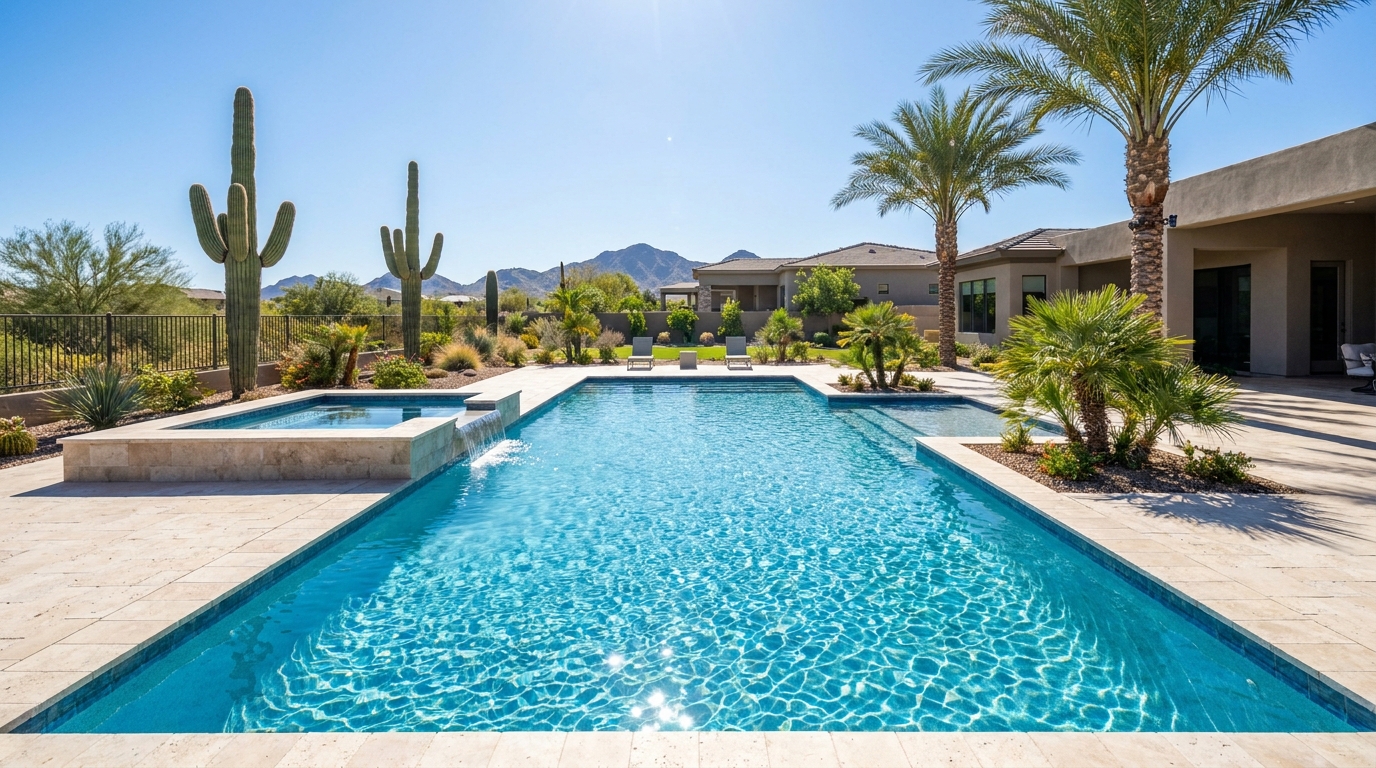
Gilbert AZ backyard pool heater unit being inspected and repaired for seasonal use
Ensuring reliable pool heating in Gilbert, AZ requires proactive seasonal inspections, timely burner repairs, and proper water chemistry management.
Quick Answer

In Gilbert, AZ, pool heater repair needs shift seasonally: inspect burners and clean ignition systems in fall prior to initial startup, monitor water chemistry and pressure during heavy winter use, and clear debris while verifying flow switches in spring and summer. Common causes for heating failures include clogged gas orifices, corroded heat exchangers, or faulty igniters—prompt professional repairs restore efficient heating, extend equipment life, and prevent high energy bills.

Seasonal Pool Heater Care in Gilbert, AZ: The Annual Operating Guide

In Gilbert, AZ, swimming pool heaters face unique operational challenges throughout the year. Gas heaters, heat pumps, and solar heating systems often remain idle during intense summer heat, only to be called into heavy service as autumn desert nights arrive.

Shifting temperatures, mineral-heavy tap water, and sudden seasonal changes require a structured maintenance approach. Neglecting pre-season startup checks or ignoring minor igniter and pressure issues leads to system lockouts, damaged heat exchangers, and high energy bills when you need heat most.

Season Temp & Weather Heater Focus Field Realities in Gilbert, AZ
Spring March – May Post-Winter Check 75°F – 90°F
Warming weather
Flow & Sensor Audit As pool heating demand tapers off, inspect water pressure switches, electrical terminals, and flow sensors. Clear out early spring debris and spider webs from cabinet interiors.
Summer June – August Idle Protection 105°F – 118°F
Extreme sun
Corrosion Prevention Heaters sit unused during extreme heat. Maintain balanced pH and alkalinity to protect internal copper or titanium heat exchangers from acidic pitting while unit is idle.
Fall September – Nov Pre-Season Startup 70°F – 95°F
Cooling nights
Burner & Igniter Service Primary season for heater startup. Clean burner trays, remove soot buildup, test igniters, verify gas pressure, and clear monsoon dust to ensure smooth ignition.
Winter December – Feb Active Heating 40°F – 68°F
Crisp desert nights
Freeze & Pressure Control High usage period for spa heating and pool warming. Monitor water flow rates, inspect manifold gaskets for leaks, and utilize automated freeze protection on cold nights.

By aligning your pool heater inspection and repair schedule with these four distinct desert phases, you protect expensive components like heat exchangers and control boards, reduce gas and electric consumption, and guarantee reliable pool heating whenever you choose to swim.

What Happens When a Pool Heater Skips Pre-Season Startup Maintenance

When autumn temperatures drop in Gilbert, homeowners turn on their pool heaters after months of inactivity. The most common mistake we see is firing up a gas heater or heat pump without checking for burner soot, insect nests, or scale buildup. Neglecting fall diagnostic checks often leads to ignition failure or severe internal heat exchanger damage.
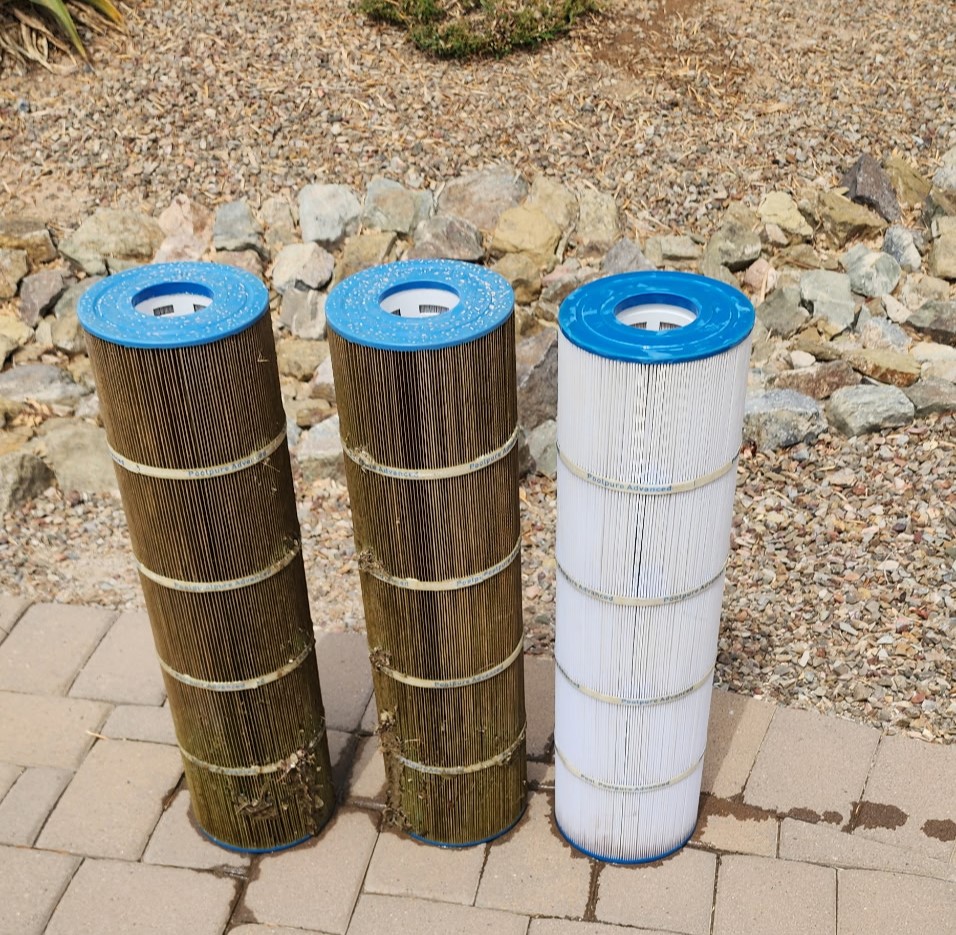
Pool heater repair and burner cleaning in Gilbert AZ
Field Service · Gilbert, AZ (Gas Heater Diagnostic) Valley Pool Service technician resolving a gas pool heater ignition failure. Spider webs and monsoon dust had blocked the pilot orifice, causing the ignition control board to fault out. Servicing the pilot assembly and cleaning the main burner tray restored smooth ignition and optimal heating efficiency within 45 minutes.

Case in Point: Resolving Thermal Cut-off Failures in Power Ranch, Gilbert

A homeowner in Power Ranch reported their gas heater shutting off after running for only three minutes. Our diagnostic revealed that severe hard water scale inside the heat exchanger restricted water flow, tripping the high-limit thermal switch. Water flow had dropped from 55 GPM to under 20 GPM due to mineral buildup. Our team chemically flushed the heat exchanger, calibrated the internal pressure switch, and replaced the damaged high-limit sensor. The system maintained a steady 84°F pool temperature continuously.

Explore More Real Arizona Pool Heater Repair Projects →

What Safety Standards & Water Chemistry Tolerances Require for Pool Heaters

Operating gas pool heaters, heat pumps, and solar systems in Gilbert, AZ requires adhering to manufacturer standards and guidelines established by the Pool & Hot Tub Alliance (PHTA) and National Fuel Gas Code standards.

Water Chemistry & Operational Targets for Pool Heater Longevity
pH Level
7.4 – 7.6
Total Alkalinity
80 – 120 ppm
Calcium Hardness
200 – 400 ppm
Min Water Flow
30 – 40 GPM
Gas Pressure (Nat)
4.0 – 7.0 in WC
Gas Pressure (LP)
11.0 – 14.0 in WC

Maintaining pool water within these precise chemical tolerances protects copper and cupro-nickel heat exchangers from acidic erosion or severe mineral scaling. Ensuring correct gas supply pressure and adequate water flow prevents thermal cut-offs, soot accumulation, and premature ignition control failures.

When DIY Pool Heater Repair Is the Wrong Move in Gilbert

Honest Advice: When You Should Not Attempt DIY Pool Heater Repairs
  • Diagnosing gas line pressure and control valves: Working on natural gas or propane supply lines without specialized pressure gauges and leak detectors creates severe fire, explosion, and carbon monoxide hazards.
  • Troubleshooting 240V high-voltage ignition boards: Testing transformers, ignition control modules, and capacitor banks requires certified electrical equipment to prevent personal injury and board burnouts.
  • Attempting DIY heat exchanger acid washes: Using improper chemical ratios on copper or cupro-nickel heat exchangers can dissolve internal tubes, resulting in catastrophic water leaks directly into the combustion chamber.
  • Bypassing high-limit safety switches or pressure sensors: Disabling built-in safety controls to force a heater to ignite can melt internal plumbing, char combustion trays, and permanently ruin the entire heating unit.

Frequently Asked Questions About Pool Heater Repair in Gilbert AZ

Repetitive clicking without ignition usually indicates that the electronic igniter or spark electrode is attempting to light the burner, but gas flow is obstructed. In Gilbert, this is commonly caused by spider webs or monsoon dust clogging the pilot orifice, low gas supply pressure, or a faulty gas valve assembly.
Short-cycling is typically triggered by safety cut-off switches detecting high heat or low water flow. If filter cartridges are dirty, pump pressure drops, or hard water scale restricts flow inside the heat exchanger, high-limit thermal sensors automatically shut down the system to prevent catastrophic overheating.
High calcium hardness and elevated pH levels in Gilbert municipal water cause rapid mineral scaling inside copper heat exchanger tubes, reducing heating efficiency. Conversely, acidic water (low pH below 7.2) erodes heat exchanger walls, leading to internal water leaks and expensive component replacements.
Minor repairs—such as replacing igniters, pressure switches, sensors, or gas valves—are cost-effective for heaters under 7 to 10 years old. However, if the main heat exchanger is cracked, the combustion chamber is severely rusted, or unit repair costs exceed 50% of a new heater, installing a modern, energy-efficient model is recommended.
Jason Miller, Lead Pool Technician at Valley Pool Service
Article Author & Lead Technician

Jason Miller

Jason is the Lead Pool Technician and Certified Pool Operator (CPO® #582194) at Valley Pool Service, with over 12 years of hands-on Arizona pool maintenance and equipment troubleshooting experience. Having overseen route care for more than 1,000 East Valley pools across Gilbert, Mesa, and Chandler, he specializes in high-temperature water chemistry stabilization, variable-speed hydraulics, and seasonal route care.

Learn more about our certified technicians →

Want an Honest Assessment of Your Pool's Chemistry?

Send us a photo of your pool and equipment pad or give us a quick call. Our certified technicians will evaluate your chemical balance, check filtration efficiency, and recommend a personalized plan for year-round clarity.

Get My Free Estimate Call (480) 717-9018
Home > Blog > Pool Heater Repair Guide
Pool Heater Repair Guide

A Seasonal Guide to Pool Heater Repair in Gilbert AZ

Changelog: Updated for pre-season fall diagnostics, gas ignition safety checks, heat exchanger scale prevention, and freeze protection protocols in Gilbert, AZ.
Gilbert AZ backyard pool heater unit being inspected and repaired for seasonal use
Ensuring reliable pool heating in Gilbert, AZ requires proactive seasonal inspections, timely burner repairs, and proper water chemistry management.
Quick Answer

In Gilbert, AZ, pool heater repair needs shift seasonally: inspect burners and clean ignition systems in fall prior to initial startup, monitor water chemistry and pressure during heavy winter use, and clear debris while verifying flow switches in spring and summer. Common causes for heating failures include clogged gas orifices, corroded heat exchangers, or faulty igniters—prompt professional repairs restore efficient heating, extend equipment life, and prevent high energy bills.

Seasonal Pool Heater Care in Gilbert, AZ: The Annual Operating Guide

In Gilbert, AZ, swimming pool heaters face unique operational challenges throughout the year. Gas heaters, heat pumps, and solar heating systems often remain idle during intense summer heat, only to be called into heavy service as autumn desert nights arrive.

Shifting temperatures, mineral-heavy tap water, and sudden seasonal changes require a structured maintenance approach. Neglecting pre-season startup checks or ignoring minor igniter and pressure issues leads to system lockouts, damaged heat exchangers, and high energy bills when you need heat most.

Season Temp & Weather Heater Focus Field Realities in Gilbert, AZ
Spring March – May Post-Winter Check 75°F – 90°F
Warming weather
Flow & Sensor Audit As pool heating demand tapers off, inspect water pressure switches, electrical terminals, and flow sensors. Clear out early spring debris and spider webs from cabinet interiors.
Summer June – August Idle Protection 105°F – 118°F
Extreme sun
Corrosion Prevention Heaters sit unused during extreme heat. Maintain balanced pH and alkalinity to protect internal copper or titanium heat exchangers from acidic pitting while unit is idle.
Fall September – Nov Pre-Season Startup 70°F – 95°F
Cooling nights
Burner & Igniter Service Primary season for heater startup. Clean burner trays, remove soot buildup, test igniters, verify gas pressure, and clear monsoon dust to ensure smooth ignition.
Winter December – Feb Active Heating 40°F – 68°F
Crisp desert nights
Freeze & Pressure Control High usage period for spa heating and pool warming. Monitor water flow rates, inspect manifold gaskets for leaks, and utilize automated freeze protection on cold nights.

By aligning your pool heater inspection and repair schedule with these four distinct desert phases, you protect expensive components like heat exchangers and control boards, reduce gas and electric consumption, and guarantee reliable pool heating whenever you choose to swim.

What Happens When a Pool Heater Skips Pre-Season Startup Maintenance

When autumn temperatures drop in Gilbert, homeowners turn on their pool heaters after months of inactivity. The most common mistake we see is firing up a gas heater or heat pump without checking for burner soot, insect nests, or scale buildup. Neglecting fall diagnostic checks often leads to ignition failure or severe internal heat exchanger damage.

Pool heater repair and burner cleaning in Gilbert AZ
Field Service · Gilbert, AZ (Gas Heater Diagnostic) Valley Pool Service technician resolving a gas pool heater ignition failure. Spider webs and monsoon dust had blocked the pilot orifice, causing the ignition control board to fault out. Servicing the pilot assembly and cleaning the main burner tray restored smooth ignition and optimal heating efficiency within 45 minutes.

Case in Point: Resolving Thermal Cut-off Failures in Power Ranch, Gilbert

A homeowner in Power Ranch reported their gas heater shutting off after running for only three minutes. Our diagnostic revealed that severe hard water scale inside the heat exchanger restricted water flow, tripping the high-limit thermal switch. Water flow had dropped from 55 GPM to under 20 GPM due to mineral buildup. Our team chemically flushed the heat exchanger, calibrated the internal pressure switch, and replaced the damaged high-limit sensor. The system maintained a steady 84°F pool temperature continuously.

Explore More Real Arizona Pool Heater Repair Projects →

What Safety Standards & Water Chemistry Tolerances Require for Pool Heaters

Operating gas pool heaters, heat pumps, and solar systems in Gilbert, AZ requires adhering to manufacturer standards and guidelines established by the Pool & Hot Tub Alliance (PHTA) and National Fuel Gas Code standards.

Water Chemistry & Operational Targets for Pool Heater Longevity
pH Level
7.4 – 7.6
Total Alkalinity
80 – 120 ppm
Calcium Hardness
200 – 400 ppm
Min Water Flow
30 – 40 GPM
Gas Pressure (Nat)
4.0 – 7.0 in WC
Gas Pressure (LP)
11.0 – 14.0 in WC

Maintaining pool water within these precise chemical tolerances protects copper and cupro-nickel heat exchangers from acidic erosion or severe mineral scaling. Ensuring correct gas supply pressure and adequate water flow prevents thermal cut-offs, soot accumulation, and premature ignition control failures.

When DIY Pool Heater Repair Is the Wrong Move in Gilbert

Honest Advice: When You Should Not Attempt DIY Pool Heater Repairs
  • Diagnosing gas line pressure and control valves: Working on natural gas or propane supply lines without specialized pressure gauges and leak detectors creates severe fire, explosion, and carbon monoxide hazards.
  • Troubleshooting 240V high-voltage ignition boards: Testing transformers, ignition control modules, and capacitor banks requires certified electrical equipment to prevent personal injury and board burnouts.
  • Attempting DIY heat exchanger acid washes: Using improper chemical ratios on copper or cupro-nickel heat exchangers can dissolve internal tubes, resulting in catastrophic water leaks directly into the combustion chamber.
  • Bypassing high-limit safety switches or pressure sensors: Disabling built-in safety controls to force a heater to ignite can melt internal plumbing, char combustion trays, and permanently ruin the entire heating unit.

Frequently Asked Questions About Pool Heater Repair in Gilbert AZ

Repetitive clicking without ignition usually indicates that the electronic igniter or spark electrode is attempting to light the burner, but gas flow is obstructed. In Gilbert, this is commonly caused by spider webs or monsoon dust clogging the pilot orifice, low gas supply pressure, or a faulty gas valve assembly.
Short-cycling is typically triggered by safety cut-off switches detecting high heat or low water flow. If filter cartridges are dirty, pump pressure drops, or hard water scale restricts flow inside the heat exchanger, high-limit thermal sensors automatically shut down the system to prevent catastrophic overheating.
High calcium hardness and elevated pH levels in Gilbert municipal water cause rapid mineral scaling inside copper heat exchanger tubes, reducing heating efficiency. Conversely, acidic water (low pH below 7.2) erodes heat exchanger walls, leading to internal water leaks and expensive component replacements.
Minor repairs—such as replacing igniters, pressure switches, sensors, or gas valves—are cost-effective for heaters under 7 to 10 years old. However, if the main heat exchanger is cracked, the combustion chamber is severely rusted, or unit repair costs exceed 50% of a new heater, installing a modern, energy-efficient model is recommended.
Jason Miller, Lead Pool Technician at Valley Pool Service
Article Author & Lead Technician

Jason Miller

Jason is the Lead Pool Technician and Certified Pool Operator (CPO® #582194) at Valley Pool Service, with over 12 years of hands-on Arizona pool maintenance and equipment troubleshooting experience. Having overseen route care for more than 1,000 East Valley pools across Gilbert, Mesa, and Chandler, he specializes in high-temperature water chemistry stabilization, variable-speed hydraulics, and seasonal route care.

Learn more about our certified technicians →

Want an Honest Assessment of Your Pool's Chemistry?

Send us a photo of your pool and equipment pad or give us a quick call. Our certified technicians will evaluate your chemical balance, check filtration efficiency, and recommend a personalized plan for year-round clarity.

Get My Free Estimate Call (480) 717-9018