
Call Now · (480) 717-9018
Serving Gilbert, Mesa & Chandler  |  ★ 4.9 Google Rating · 139 Reviews  |  (480) 717-9018
Home > Blog > Pool Pump Repair Guide
Pool Pump Repair Guide

A Seasonal Guide to Pool Pump Repair in Mesa AZ

Changelog: Updated for high-heat thermal overload prevention, post-monsoon impeller clearing, mechanical seal replacements, and variable-speed upgrades in Mesa, AZ.
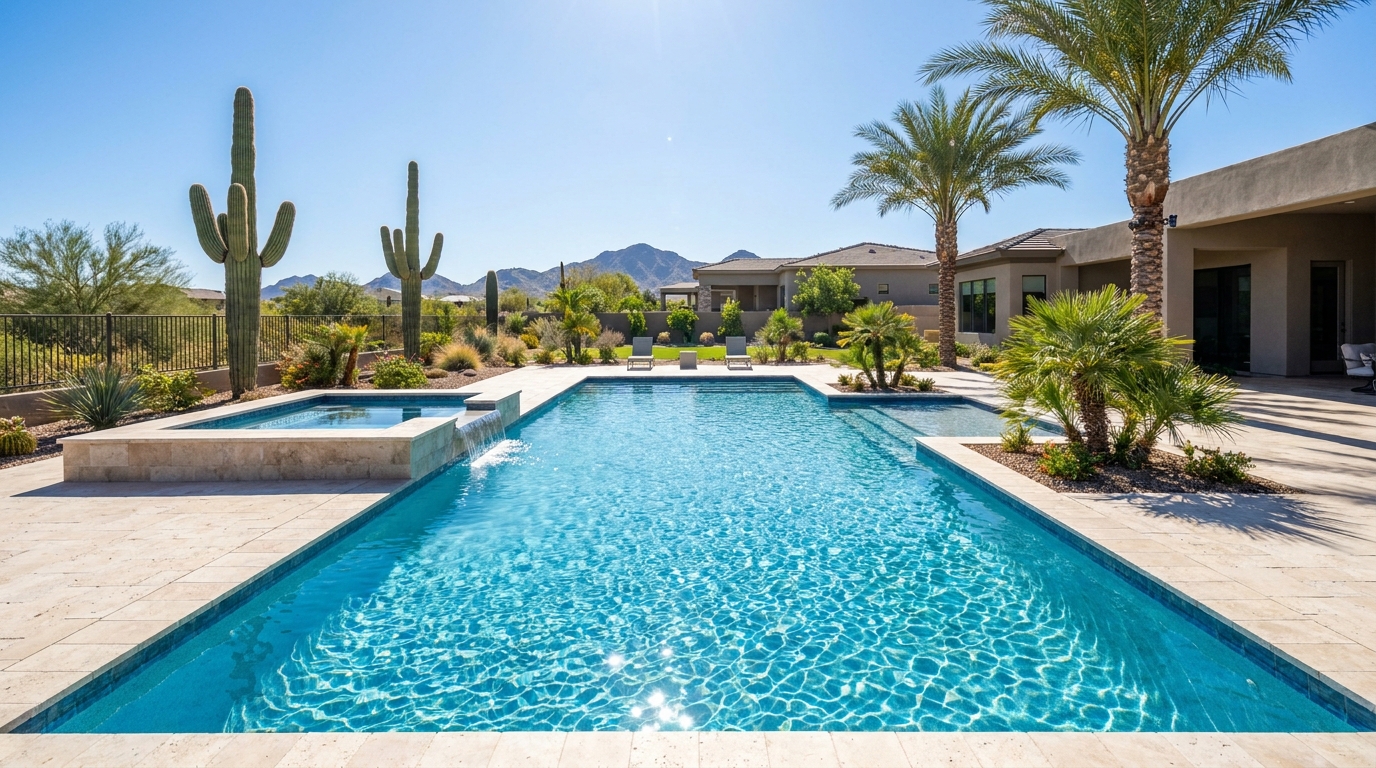
Mesa AZ swimming pool pump motor being serviced for seasonal performance
Maintaining efficient pool circulation in Mesa, AZ requires seasonal pump adjustments, leak detection, and timely motor or shaft seal repairs.
Quick Answer

In Mesa, AZ, pool pump repair relies on seasonal adjustments: run pumps 10–12 hours daily in summer to counter extreme thermal stress, clear debris and check impellers after haboob dust storms, and scale back to 4–6 hours in winter. Frequent issues include failing mechanical shaft seals, noisy motor bearings, or suction air leaks—timely repairs prevent pool algae blooms and lower energy costs.

Seasonal Pool Pump Operating & Maintenance Guide for Mesa, AZ

Your pool pump serves as the engine of your entire filtration system. In Mesa, AZ, pool pumps operate year-round under demanding conditions, including extreme summer heat exceeding 115°F, monsoon dust accumulation, and changing water turnover requirements.

Without seasonal maintenance and timely repairs, pump motors experience thermal shutdowns, leaking mechanical shaft seals, suction air leaks, and clogged impellers. Adopting a structured seasonal care schedule protects equipment and maintains crystal-clear water.

Season Temp & Weather Daily Runtime Field Realities in Mesa, AZ
Spring March – May Inspection Phase 75°F – 90°F
Pollen & wind
8 Hours Check pump lid O-rings for drying or cracks, lubricate seals with silicone grease, and check for minor water leaks around the seal plate before summer heat arrives.
Summer Peak June – August Highest Strain 105°F – 118°F
Extreme heat
10 – 12 Hours High heat strains pump motors. Schedule runtimes during cooler early morning or night hours to prevent thermal shutdowns; monitor for whining motor bearings.
Monsoon July – Sept Storm Watch Haboob winds,
dust storms
12 Hours (Continuous) Fine desert caliche dust packs into skimmer baskets and clogs impellers. Clean pump baskets frequently and check prime pressure to prevent dry-running.
Fall & Winter October – Feb Reduced Cycle 45°F – 70°F
Cool weather
4 – 6 Hours Cooler water reduces turnover requirements. Lower daily pump runtime to save electricity and check freeze protection settings for cold winter nights.

Adjusting pump filtration hours and repairing minor air or water leaks early extends motor lifespan, prevents sudden breakdowns, and reduces utility costs.

What Happens When a Leaking Pool Pump Is Left Unserviced

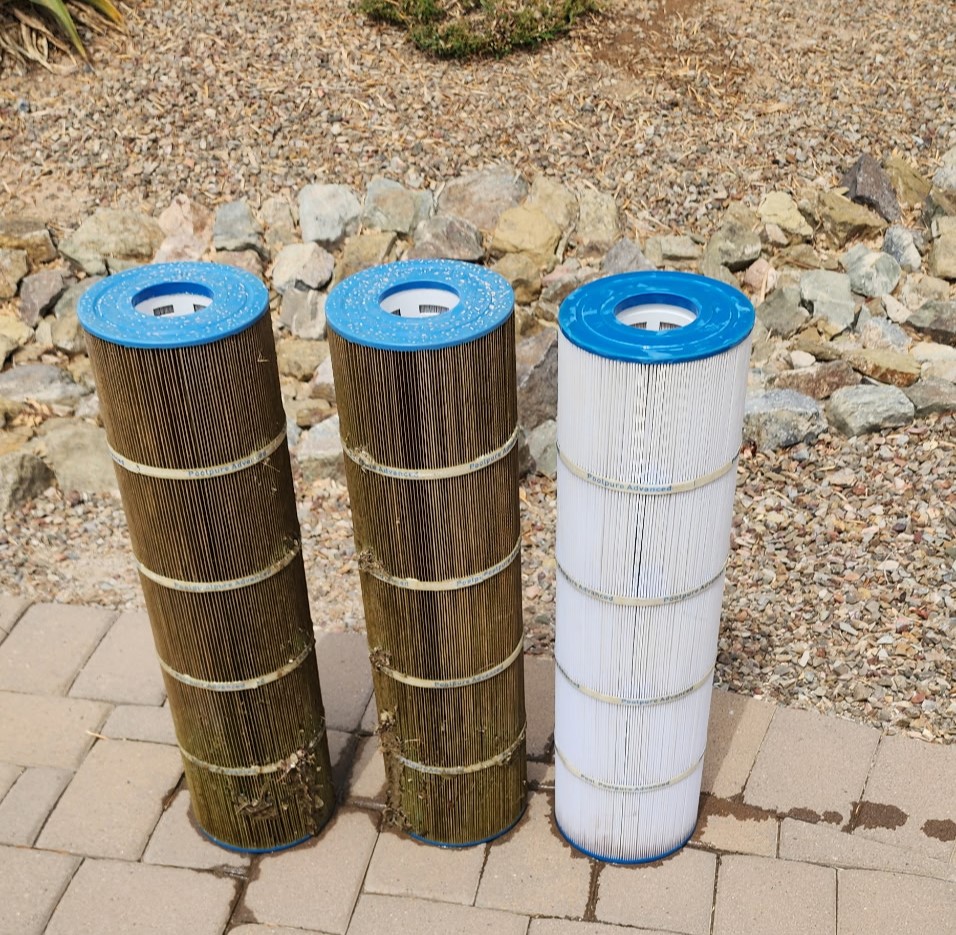
During high-heat months in Mesa, a small water drip under the pump is easily missed. However, that drip often signals a worn mechanical shaft seal. Left unaddressed, water migrates past the seal plate into the front motor bearing, leading to corrosion, screeching noises, and motor failure.

Pool pump motor repair and shaft seal service in Mesa AZ
Field Repair · Mesa, AZ (Pump Motor Diagnostic) Valley Pool Service technician replacing a failed shaft seal and worn front motor bearing on a single-speed pump. Servicing the mechanical seal and replacing degraded O-rings stopped the leak and prevented a full motor failure.

Case in Point: Variable-Speed Upgrade in Eastmark, Mesa

A homeowner in Eastmark had an aging 1.5 HP single-speed pump that was humming loudly and tripping the breaker in 110°F weather. Our inspection revealed a burned-out start capacitor and damaged motor windings. We upgraded the system to a modern variable-speed pump. The new pump reduced monthly electrical consumption by over 60% while running quietly at lower speeds throughout the day.

Explore More Real Arizona Pool Repair Projects →

Pool Pump Flow & Electrical Safety Standards

Ensuring proper pump flow rate and electrical bonding in Mesa, AZ is guided by standards set by the Pool & Hot Tub Alliance (PHTA ANSI/APSP-15) and National Electrical Code (NEC) guidelines.

Standard Operational Parameters for Residential Pool Pumps
Water Turnover
1 Full Turnover/Day
Operating Pressure
8 – 15 PSI
Voltage Requirement
115V or 230V
Flow Rate (GPM)
40 – 80 GPM
Suction Pipe Size
1.5" – 2.0" PVC
Equipotential Bonding
#8 AWG Bare Copper

Maintaining standard flow rates and verifying proper electrical bonding ensures safe water turnover, prevents suction entrapment hazards, and protects pump electronics from power surges.

When DIY Pool Pump Repair Is the Wrong Move in Mesa

Honest Advice: When You Should Not Attempt DIY Pool Pump Repairs
  • Troubleshooting 230V electrical wiring: Servicing or replacing high-voltage pool pump lines without proper electrical safety equipment risks severe shock and can damage delicate drive capacitors.
  • Replacing internal motor bearings without pullers: Attempting to remove corroded bearings off a rotor shaft using household tools can bend the shaft, ruining the entire motor assembly.
  • Over-tightening suction PVC fittings: Forcing threaded male adapters into the pump suction port without correct thread sealant can crack the housing, creating major air leaks.
  • Testing a pump dry without water priming: Operating a pool pump without water in the strainer basket destroys the carbon-ceramic surfaces of the mechanical seal within seconds.

Frequently Asked Questions About Pool Pump Repair in Mesa AZ

A loud screeching or grinding noise usually indicates worn or corroded front motor bearings. In Mesa, water leaking past a damaged mechanical shaft seal enters the front bearing assembly, causing corrosion. Replacing bearings and seals promptly prevents total motor seizure.
Air in the pump basket indicates a suction-side leak. Check for cracked or flattened pump lid O-rings, loose drain plugs, or loose intake PVC fittings. Extreme summer heat in Mesa causes rubber O-rings to dry out and fail, requiring silicone lubricant or replacement.
When ambient temperatures surpass 110°F in Mesa, electric pool pump motors can overheat under heavy loads. Internal thermal switches shut down the motor to prevent electrical fires. Overheating is frequently caused by clogged impellers, low water flow, or a failing capacitor.
If a single-speed pump motor is over 5 years old or requires major repair, upgrading to a variable-speed pump is recommended. Variable-speed pumps use up to 70–80% less energy, operate quietly during hot summer afternoons, and meet current Arizona energy efficiency guidelines.
Jason Miller, Lead Pool Technician at Valley Pool Service
Article Author & Lead Technician

Jason Miller

Jason is the Lead Pool Technician and Certified Pool Operator (CPO® #582194) at Valley Pool Service, with over 12 years of hands-on Arizona pool maintenance and equipment troubleshooting experience. Having overseen route care for more than 1,000 East Valley pools across Gilbert, Mesa, and Chandler, he specializes in high-temperature water chemistry stabilization, variable-speed hydraulics, and seasonal route care.

Learn more about our certified technicians →

Want an Honest Assessment of Your Pool's Chemistry?

Send us a photo of your pool and equipment pad or give us a quick call. Our certified technicians will evaluate your chemical balance, check filtration efficiency, and recommend a personalized plan for year-round clarity.

Get My Free Estimate Call (480) 717-9018